
The ideal range
Rotate your tires every 5,000 to 8,000 miles. A simple default that works for most drivers is about 6,000 miles If your oil changes happen in that range, rotate at the same time and you are covered
Why rotation matters
Front and rear tires do not work the same. Many cars put more stress on the front tires because they steer and often handle braking Some cars put more load on the rear tires because they deliver power. Rotation shares the workload so one pair does not wear out early
- More even wear means longer tire life
- Better grip and more predictable braking
- Less road noise and fewer vibrations
How often by drivetrain
Use your drivetrain as the starting point. Then adjust based on how you drive. City driving, potholes, fast starts, and heavy loads push you toward the shorter interval
| Vehicle type | Typical interval | Rotate sooner when |
|---|---|---|
| FWD | 5,000 to 7,000 miles | Lots of city starts and stops, front tread wearing faster |
| RWD | 6,000 to 8,000 miles | Heavy loads, spirited acceleration, rear tread wearing faster |
| AWD or 4WD | 5,000 to 6,000 miles | Manual suggests shorter interval, uneven wear shows up early |
| Staggered tires | Limited rotation options | Different sizes front and rear |
Rotation patterns
The best pattern depends on your drivetrain and whether your tires are the same size and not directional If you are unsure, follow your owner manual or ask a tire shop to confirm your tire type
Common patterns when all tires are the same size
- FWD: front to rear on the same side, then rear to front crossing sides
- RWD: rear to front on the same side, then front to rear crossing sides
- AWD: rotate more often, and use a consistent pattern approved by your manual
Directional and staggered tires
Directional tires have a rotation arrow on the sidewall. They are designed to roll in one direction That usually means you rotate front to rear on the same side
Staggered setups use different sizes front and rear. In most cases you cannot rotate front to rear at all You may only be able to swap left to right if the tires are not directional and the wheel widths allow it
Signs you are overdue
Your tires usually give warning signs before the problem becomes expensive. If you notice one of these, rotate soon and check alignment and tire pressure
- More road noise that gets louder with speed
- Vibration in the steering wheel or seat on smooth roads
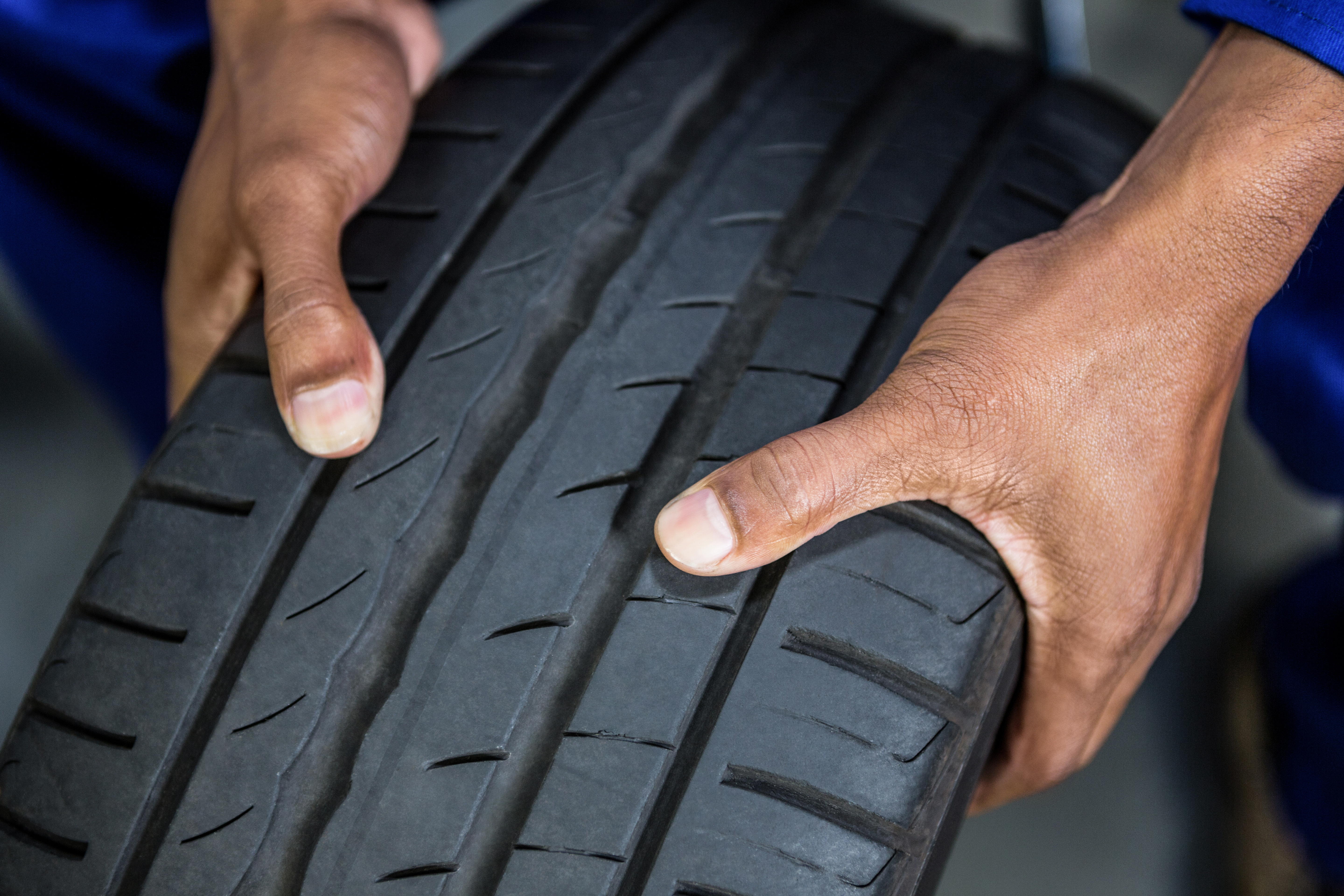
- Uneven tread wear, especially one edge wearing faster
FAQ
How often should I rotate my tires?
Do I rotate tires on AWD vehicles more often?
Can I rotate tires if they are different sizes front and rear?
Do directional tires change the rotation pattern?
Is tire rotation necessary if the car feels fine?
Need more tips ?
QuickCarFixes publishes beginner friendly maintenance guides that save time and money
Browse all guides